

Becoming a Certified Information Systems Security Professional: A Step-By-Step Guide
In an era where data breaches and cyber threats make headlines, the role of information security professionals has never been more critical. If you’re looking to embark on a career in cybersecurity or enhance your existing skills, the Certified Information Systems Security Professional (CISSP) certification is a prestigious and sought-after credential. In this step-by-step guide, we’ll explore the journey to becoming a CISSP and the path to securing your career in information security. To give you a head start, you can try this A+ Practice Test – Assess Your Skills to see if you have what it takes to thrive.
Understand the CISSP Certification
Before you dive into the CISSP certification process, it’s essential to grasp what it entails. The CISSP certification is globally recognized and demonstrates your expertise in information security. It covers a broad range of security domains, from risk management to cryptography, making it a comprehensive certification for professionals aiming to excel in the field. The CISSP certification is governed by the International Information System Security Certification Consortium, also known as (ISC)², a non-profit organization that provides education and certifications in information security.
Meet the Prerequisites
To qualify for the CISSP exam, you’ll need a minimum of five years of cumulative paid, full-time work experience in two or more of the eight CISSP Common Body of Knowledge (CBK) domains. However, if you don’t yet meet these requirements, don’t be discouraged – you can still pass the exam and earn the Associate of (ISC)² designation. This designation will allow you to work toward the full certification while gaining experience.
Apply for CISSP Domains
The CISSP exam covers eight domains, which are the core areas of knowledge that a CISSP must master. These domains include Security and Risk Management, Asset Security, Security Architecture and Engineering, Communication and Network Security, Identity and Access Management, Security Assessment and Testing, Security Operations, and Software Development Security. It’s essential to understand the content of each domain thoroughly.
Prepare for the Exam
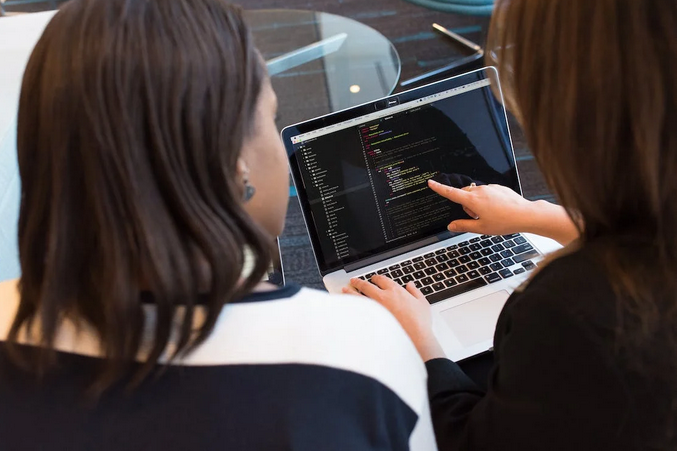
Preparation is the key to success in the CISSP certification journey. You have various options to choose from:
- Self-study using CISSP study guides and resources.
- Instructor-led training courses.
- Online CISSP training programs.
- Practice exams to test your knowledge.
Register for the Exam
Once you feel confident in your knowledge and have completed the required preparation, you can register for the CISSP exam. You can schedule your exam through the (ISC)² website and choose a test center convenient for you. The exam consists of 250 multiple-choice and advanced innovative questions, with a time limit of six hours.
Pass the Exam
The CISSP exam consists of 250 multiple-choice questions, and you have six hours to complete it. A passing score is 700 out of 1000 points. Remember to manage your time during the exam to ensure you answer all questions. After passing the exam, you must complete an endorsement process to become a fully certified CISSP. This process involves verifying your professional experience and agreeing to adhere to the (ISC)² Code of Ethics.
Maintain Your Certification
Maintaining your CISSP certification requires earning Continuing Professional Education (CPE) credits. You’ll need to accumulate CPEs to ensure that your knowledge remains up to date. You can earn CPEs through various activities, such as attending conferences, participating in webinars, reading relevant publications, and volunteering with (ISC)² or other professional organizations. By maintaining your certification, you demonstrate your commitment to staying current in the ever-changing field of information security.
Becoming a Certified Information Systems Security Professional is a journey that requires dedication and commitment. However, the reward is a credential that is globally respected and highly valued in the field of information security. With the right preparation and a passion for securing digital assets, you can follow this step-by-step guide to a successful career in cybersecurity as a CISSP.…

Things to Look for in a Web Host
When creating your website, looking for a web host should be one of the first things to do. Launching a new website without a reputable web host may not be an excellent idea. This is because web hosts are the ones that make websites up and running on the web.
If your goal is to have as many visitors to your website, you should look for the best web host out there. They do not only make your site more accessible to users but they also make sure that they are secure. By working hard to achieve consistency, excellent user experience on your website is ensured as it will surely load quickly without any problem.
With the advantages of an excellent web host, it is important that you are serviced from day 1 by a reliable web host. Here’s what to consider when zeroing in on a web host.
Quick Uptime
The main role of a web host is to make your website quickly accessible to users all the time. Although there may be times that your website will not be running, it is because the web host is doing some maintenance jobs. This is important because not doing so will create more problems, like breakdown or overheat. If this happens, your website will be in accessible for an extended period. With an excellent web host, interruption because of maintenance work only last for a short while.

Variety of Plans
For your new website, it may be wise to go for large and expensive plans. It may be better to begin with small but scalable plans. This means that you can update your plan for bigger plans when the need arises. Henceforth, you are only paying for what you are using.
Round-the-Clock Customer Service
Whenever your website encounters a problem, you will sure have more peace of mind if you know your web host is always there to serve you. A web host with 24/7 customer service is always there to answer you and fix the issue whatever time it may be.
Enhanced Security
With websites getting hacked and disabled by cyber criminals, it is always best to look for a web host that offers more security options. Excellent web hosts invest in powerful firewalls, reliable software, and add-ons to make sure that security of your website is guaranteed.
Having a website means you will be spending on a web host. Nonetheless, you have the option to look for some affordable web hosting services. You should also make sure that they give you the right support when getting started or when you are migrating to their services.…